
Sewer, Flood and Storm Water Level Monitoring
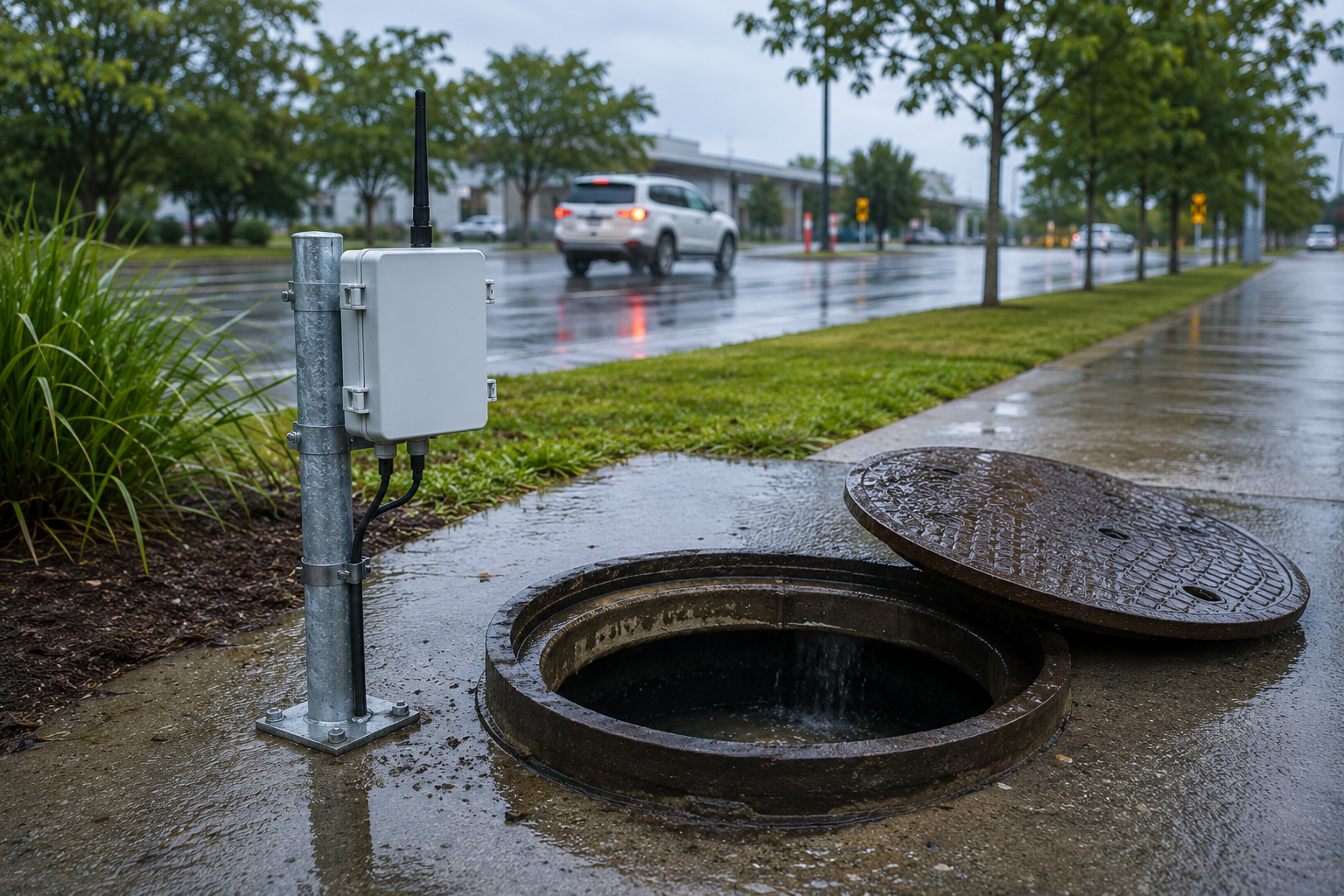
Sewer Level Monitoring
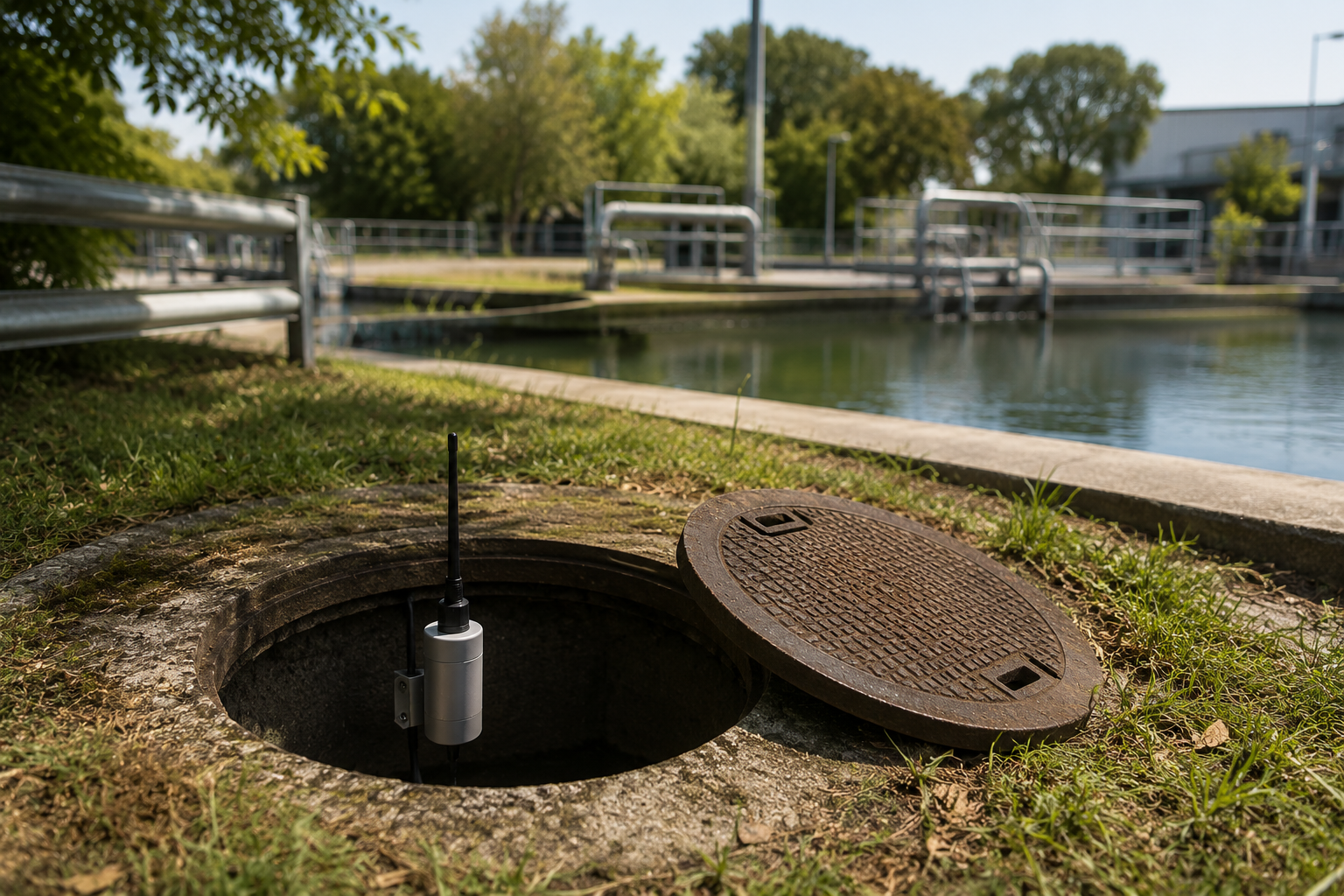
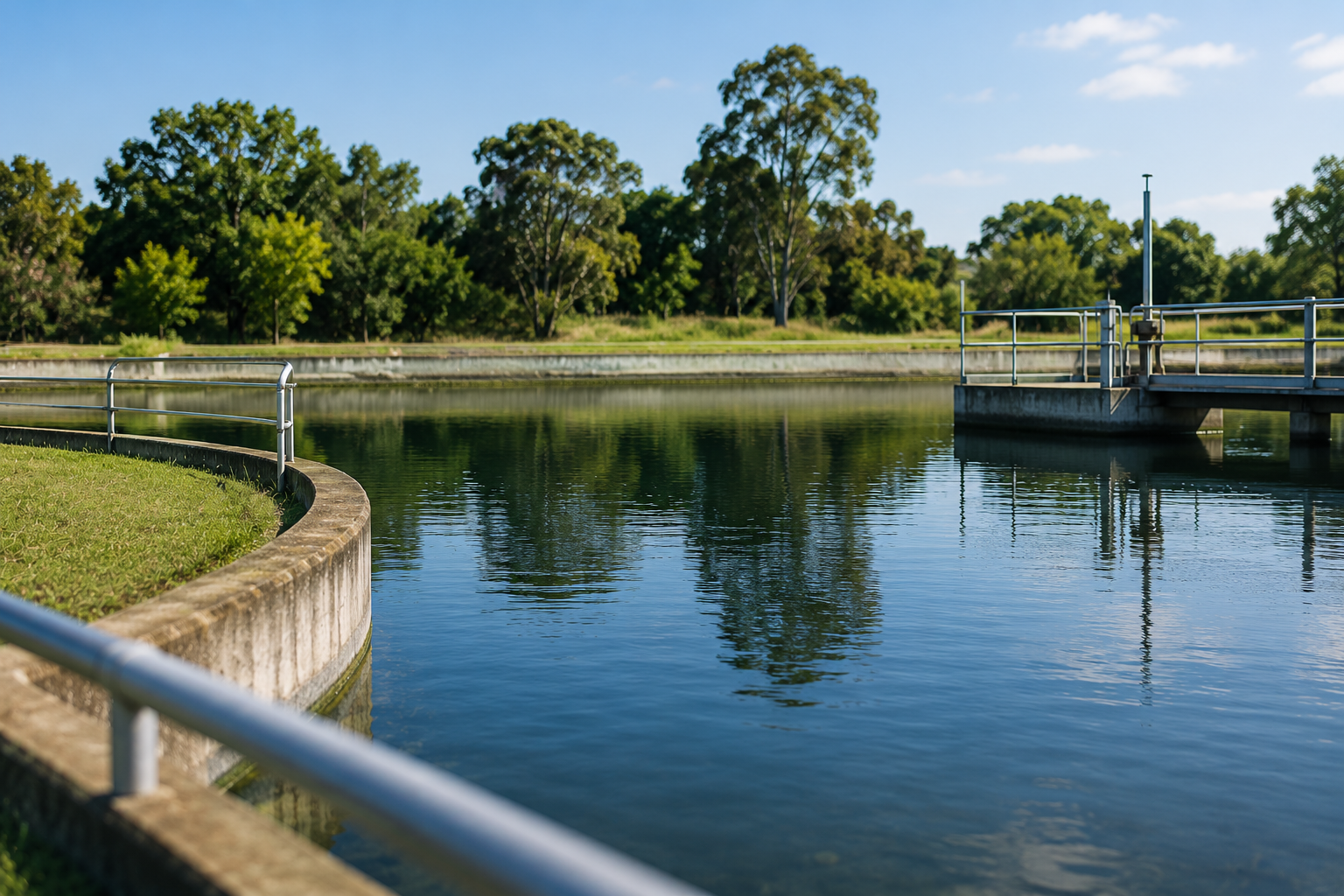
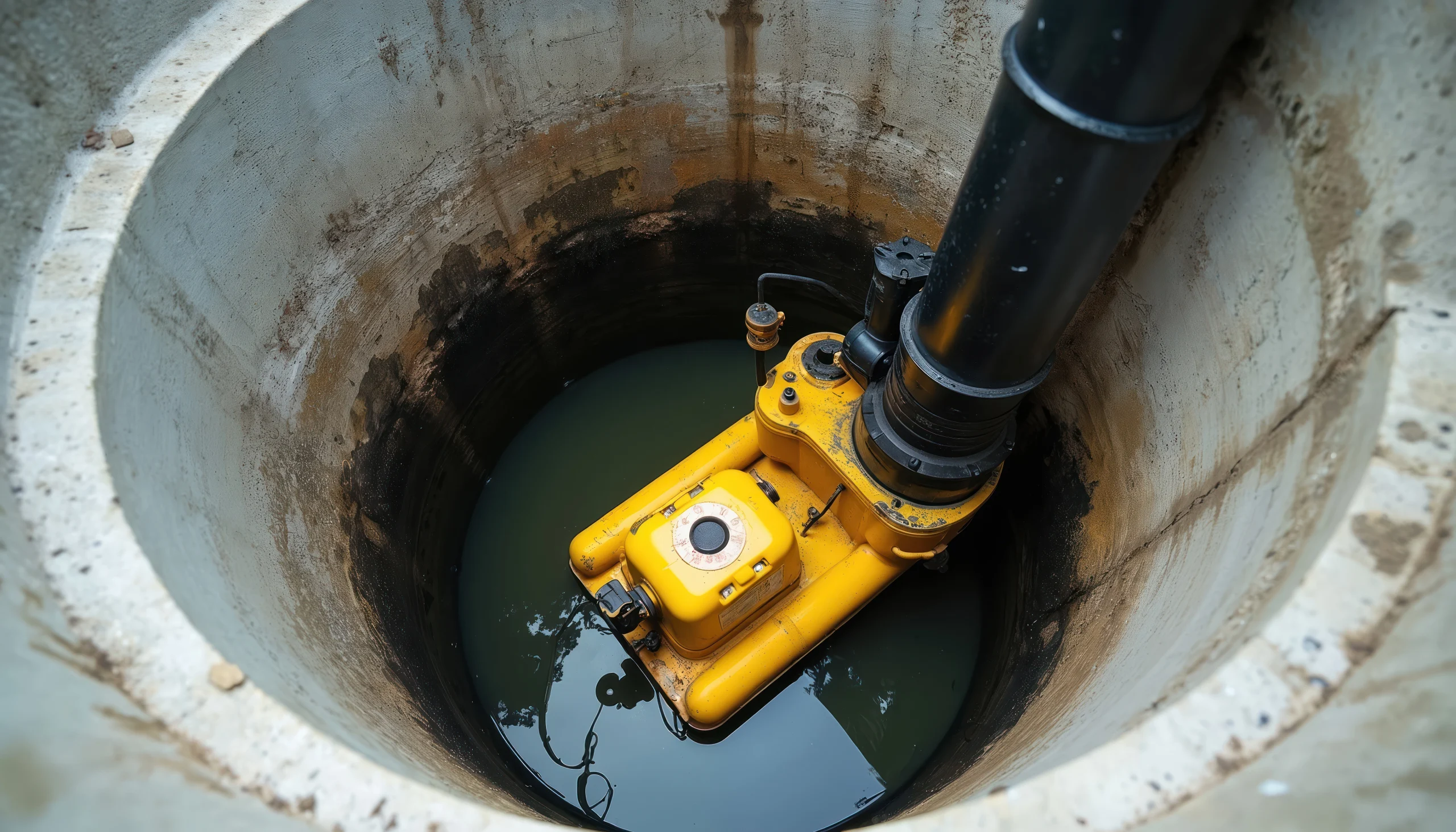
With ageing infrastructure, growing populations, and unpredictable weather increasing the risk of overflows and infiltration, continuous monitoring provides real-time visibility of sewer conditions.
This enables early intervention to reduce infiltration and inflow, prevent disruptions, and support more proactive network management without invasive installation.
Real-time alerts via SMS or email notify operators of rising levels, allowing action to be taken before overflows occur.
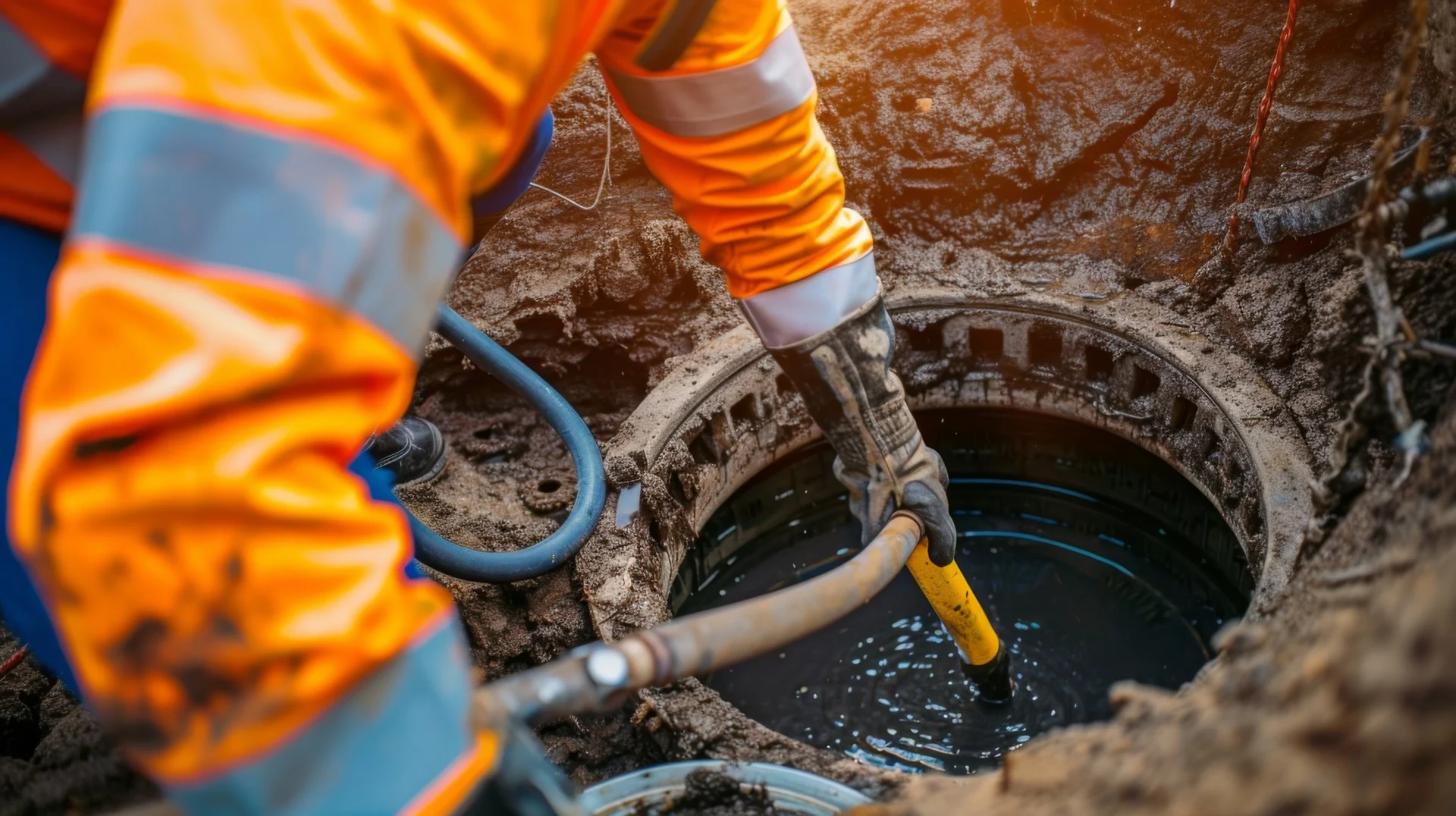
Water Quality Monitoring
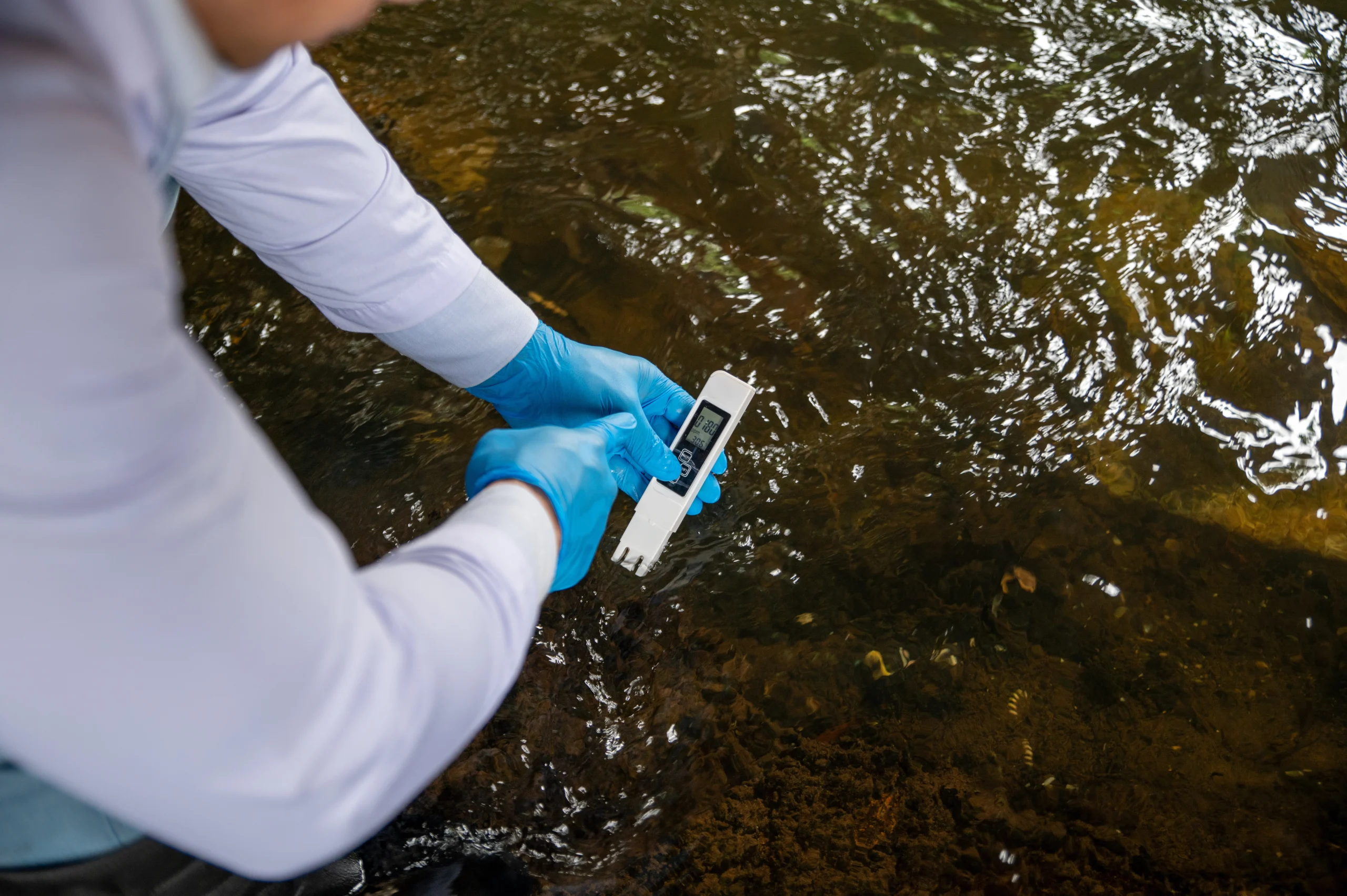
Monitoring parameters such as pH, turbidity, and salinity provides the data needed to support safety, compliance, and rapid response, without relying on manual sampling or delayed laboratory results.
Delays in detecting contamination can lead to operational, environmental, and compliance risks. Continuous monitoring provides clear visibility of water conditions, enabling:
- Early detection of contamination and faster response
- Improved compliance with regulatory requirements
- Reduced environmental and operational risk
- Ongoing monitoring across drinking water, runoff, and environmental applications
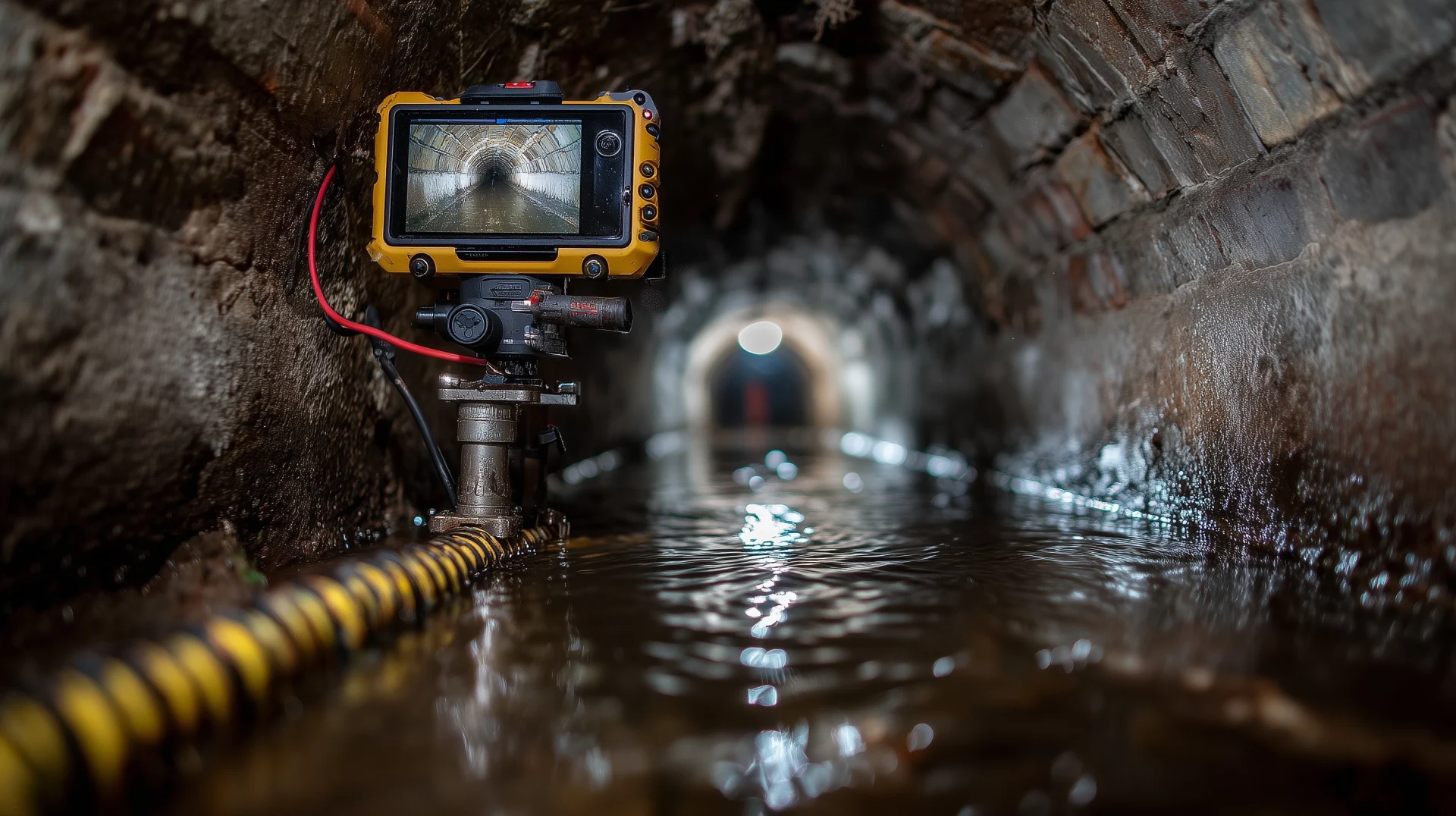
Smart Water Monitoring
Smart water monitoring enables remote access to usage insights, helping detect leaks, reduce water loss, and improve billing accuracy without the need for infrastructure upgrades or site disruption. By providing continuous visibility, it supports more efficient operations and better-informed decision-making.
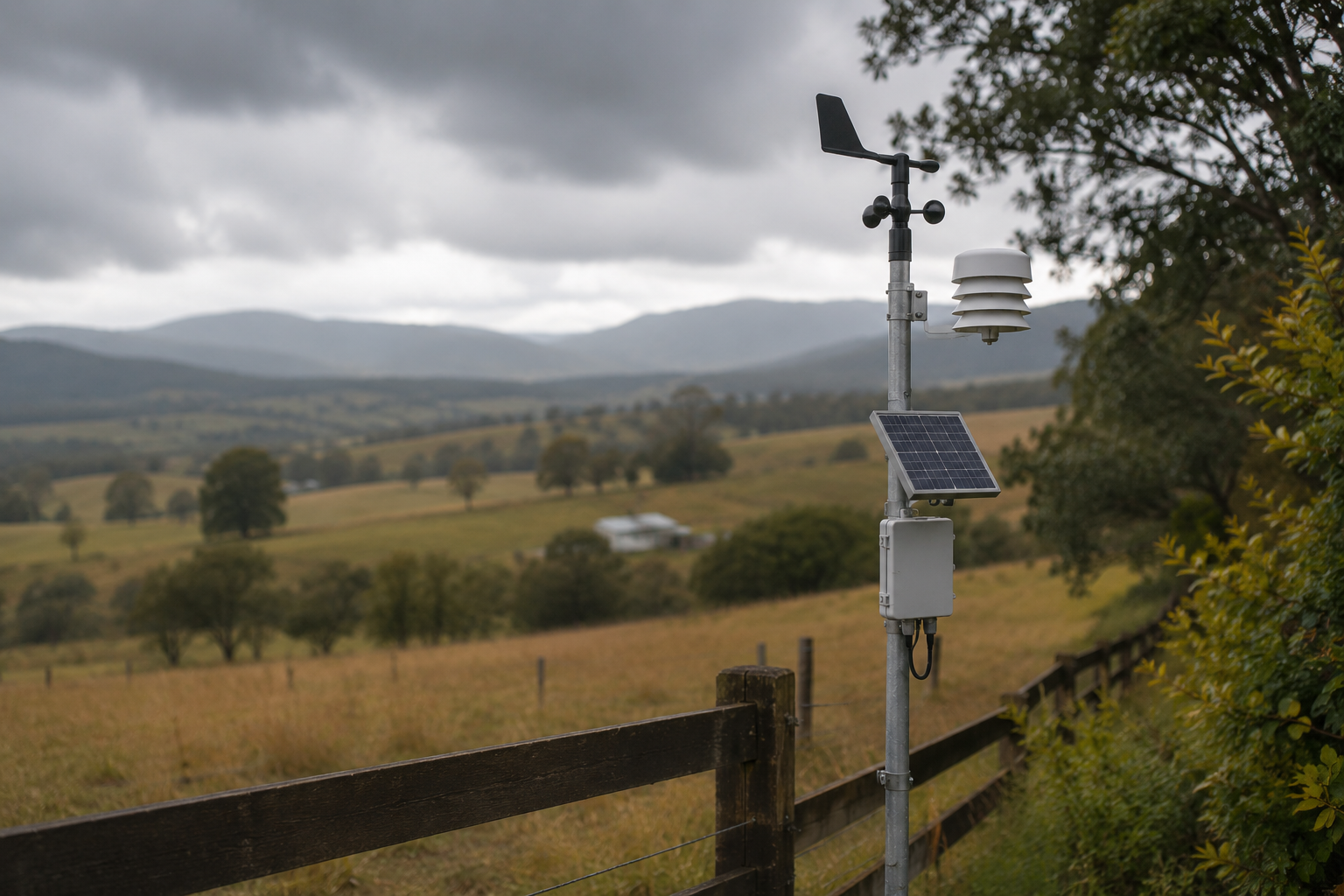
Weather Monitoring
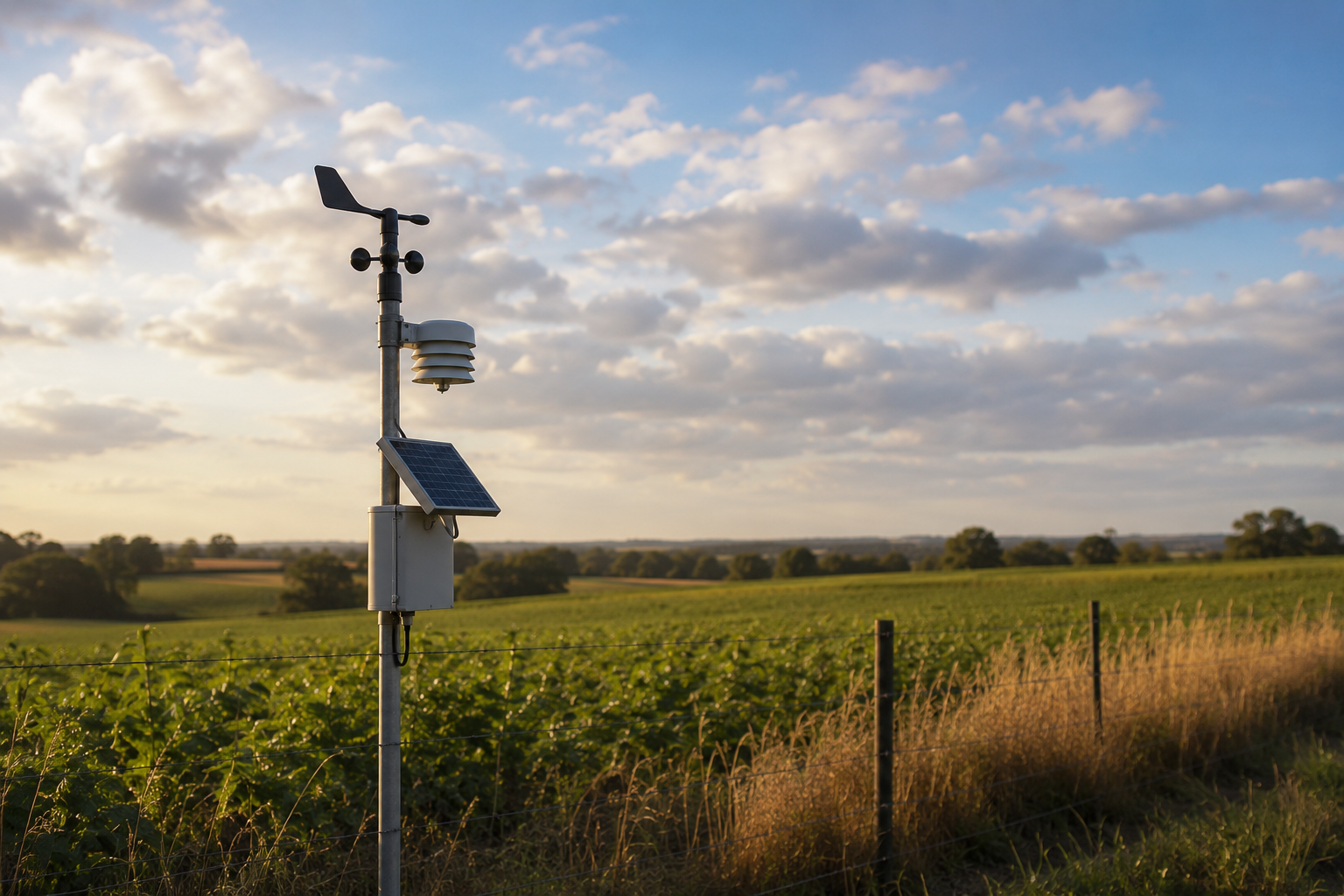
Understanding local environmental conditions is critical for maintaining safe and efficient operations. Monitoring temperature, wind, humidity, rainfall, and other factors provides the visibility needed to respond early, manage risks, and protect infrastructure and assets.
Sudden changes in weather can impact safety, infrastructure performance, and operational efficiency across rail, agriculture, and industrial environments. Continuous, site-specific monitoring delivers real-time data that supports faster response, reduces downtime, and protects people and assets.
Weather variability can significantly affect safety, equipment performance, and service reliability. Access to real-time, localised data enables better risk management, faster response times, and more efficient resource planning.
Flood Monitoring
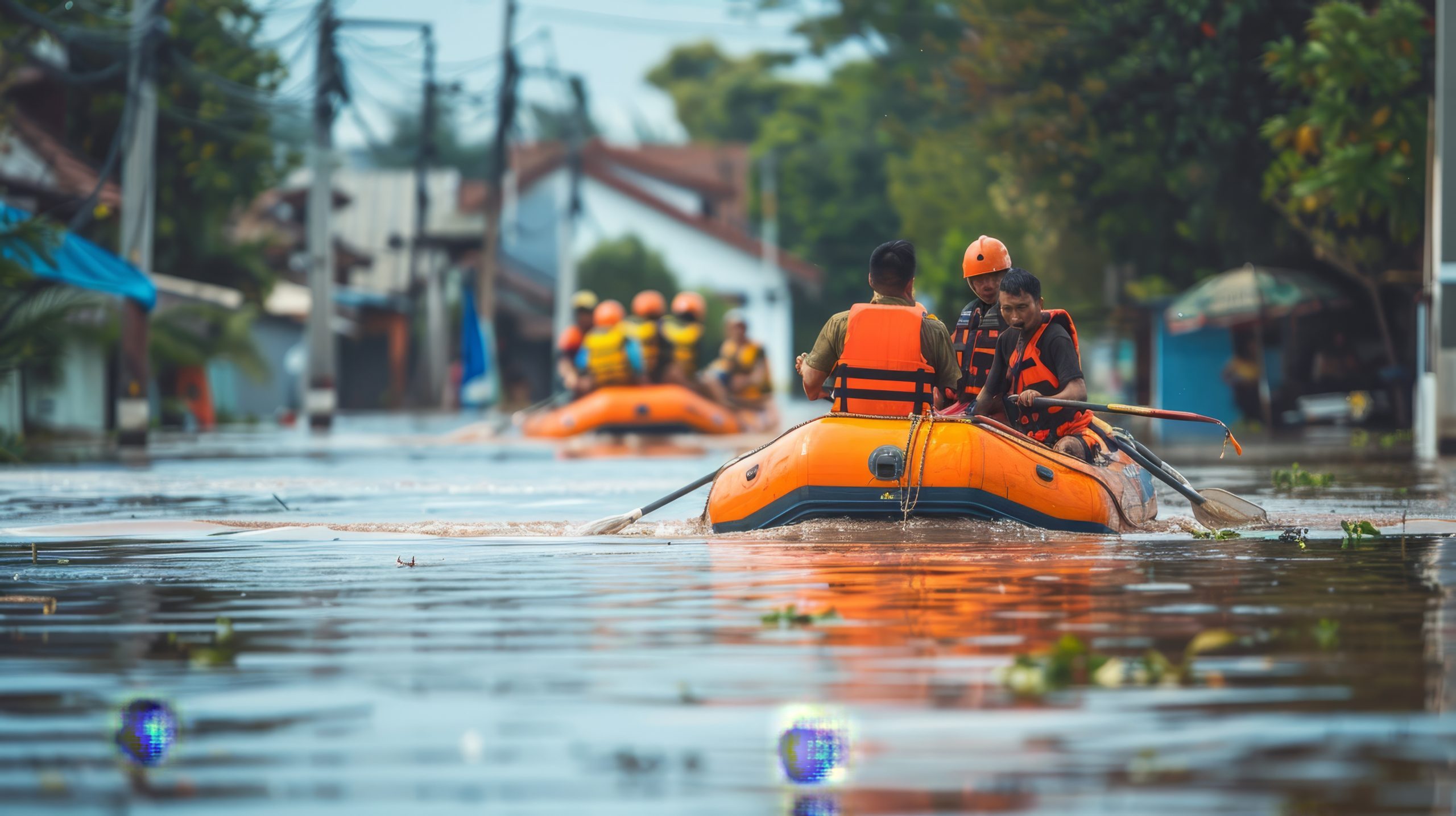
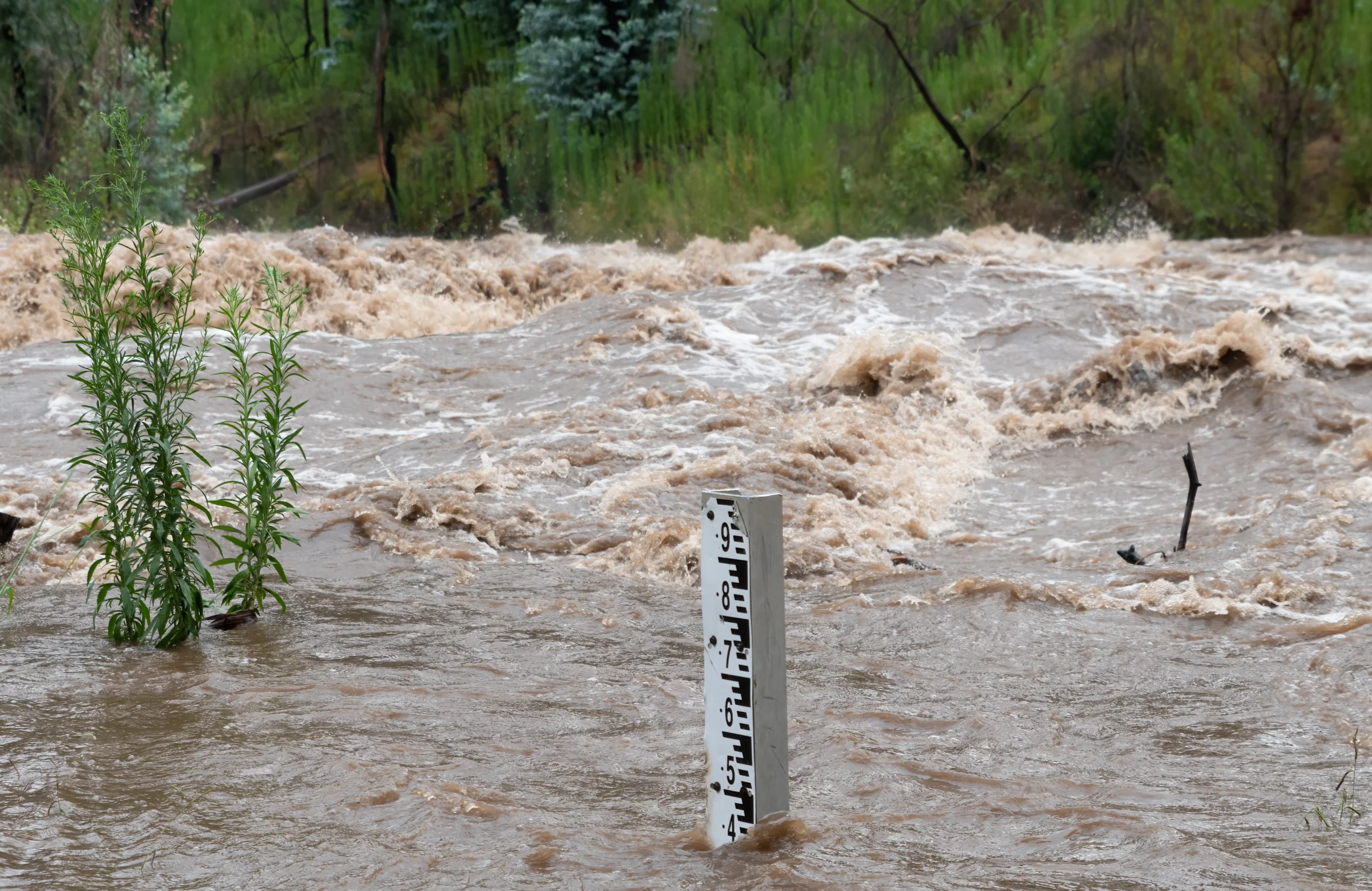
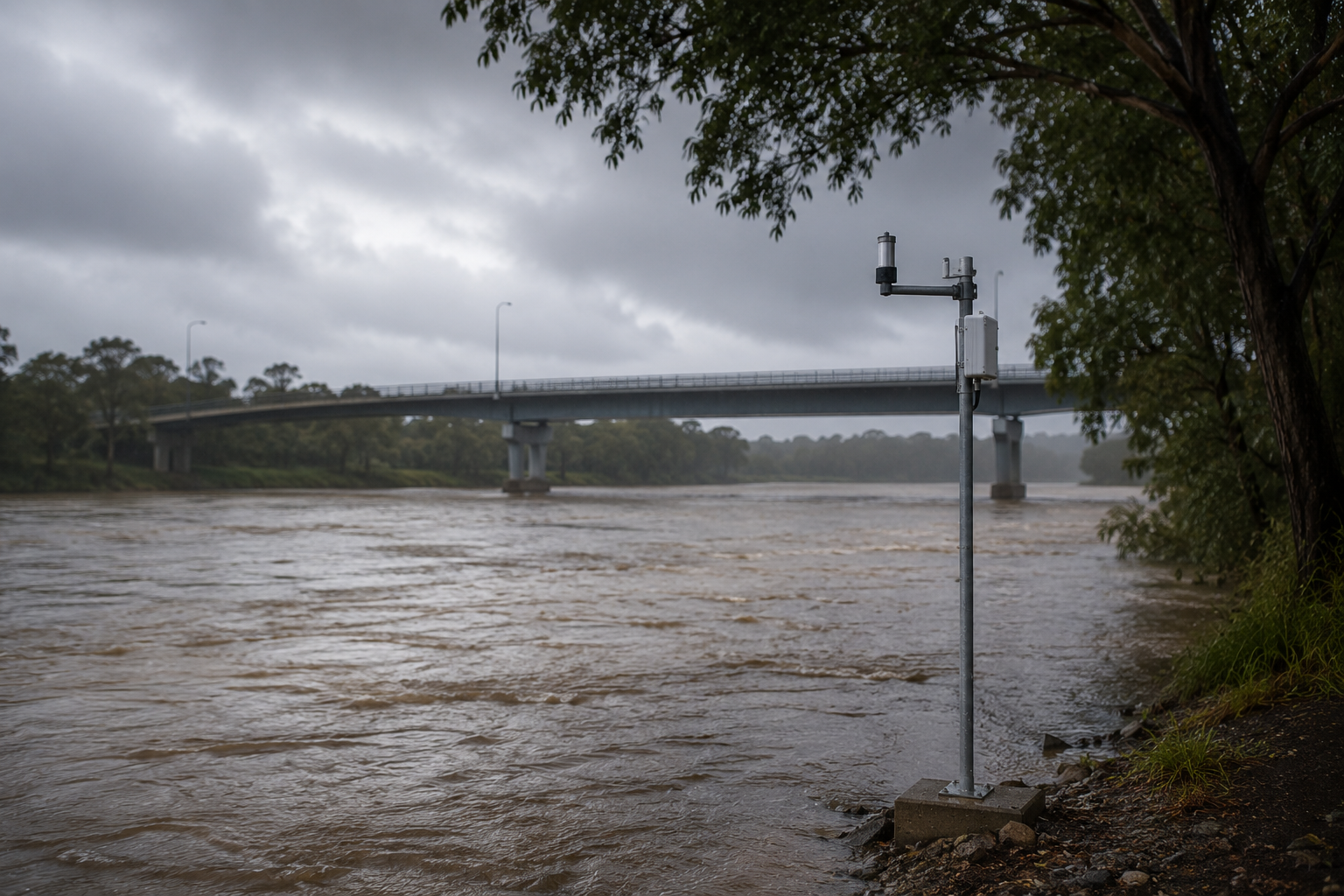
365mesh enables real-time monitoring of water levels across transport networks, councils, utilities, and industrial sites, supporting faster response, reduced disruption, and improved risk management during flood events.
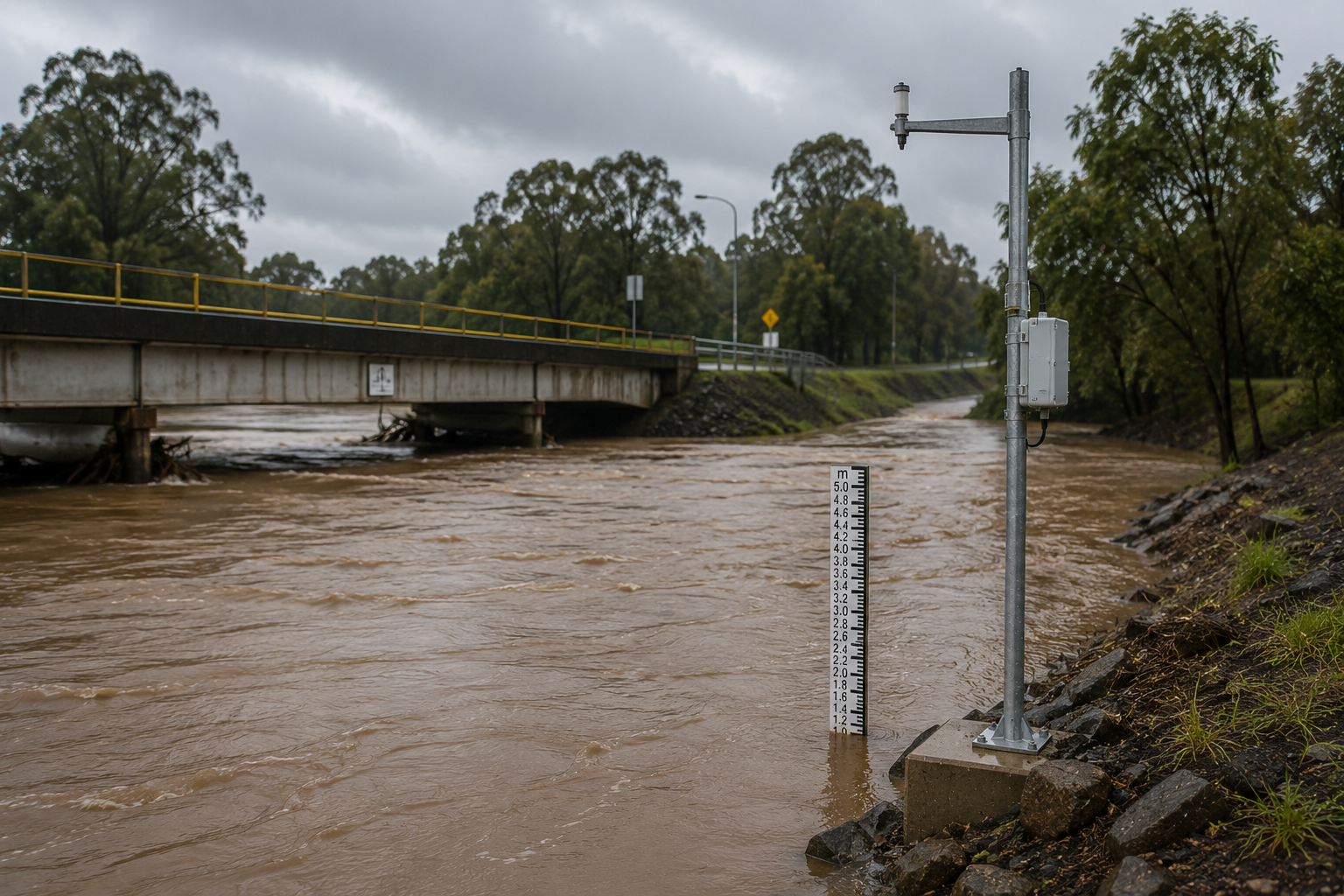
Built for reliable flood monitoring
Designed to operate in demanding environments, the solution aligns with recognised industry standards, including Bureau of Meteorology flood monitoring and warning requirements, ensuring accuracy, reliability, and durability in the field.
The system supports a wide range of applications and environments:
- High-accuracy radar water level monitoring for early flood detection
- Designed in line with national and international flood warning frameworks
- IP68-rated hardware built to withstand inundation, debris, and extreme weather
- Reliable near real-time data transmission for alerts and trend monitoring
- Suitable for bridges, culverts, stormwater channels, and floodplains
- Integrates with emergency systems, SCADA, and existing flood platforms
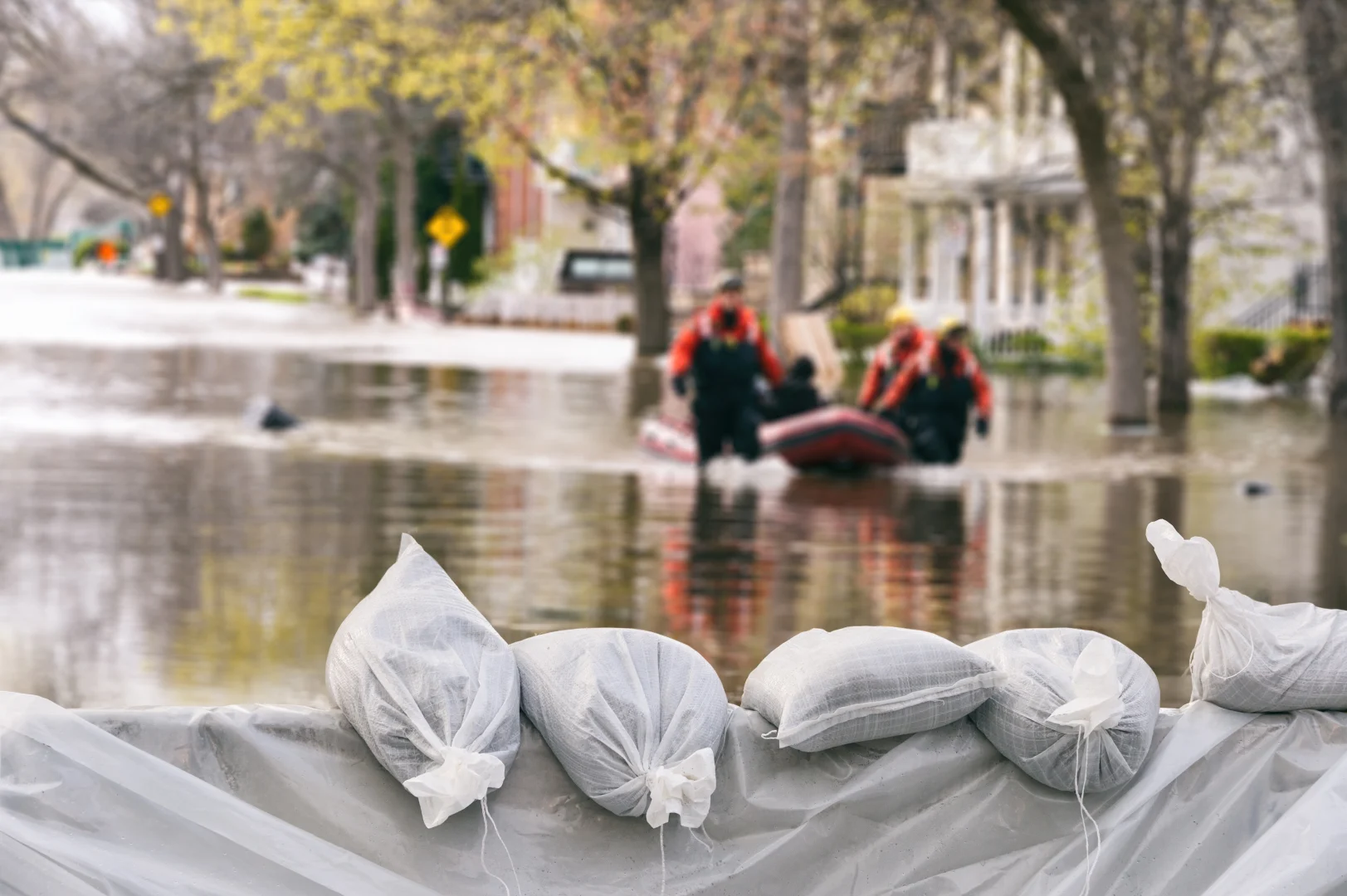
Managing flood risk
Flood events are unpredictable, but access to accurate, real-time data enables a more proactive and controlled response. Devices use high-precision sensors to continuously measure water levels, flow rates, and rising trends, triggering immediate alerts when predefined thresholds are exceeded. This provides clear visibility across at-risk locations, supporting faster response, reducing downtime, and helping protect infrastructure and communities during flood events.
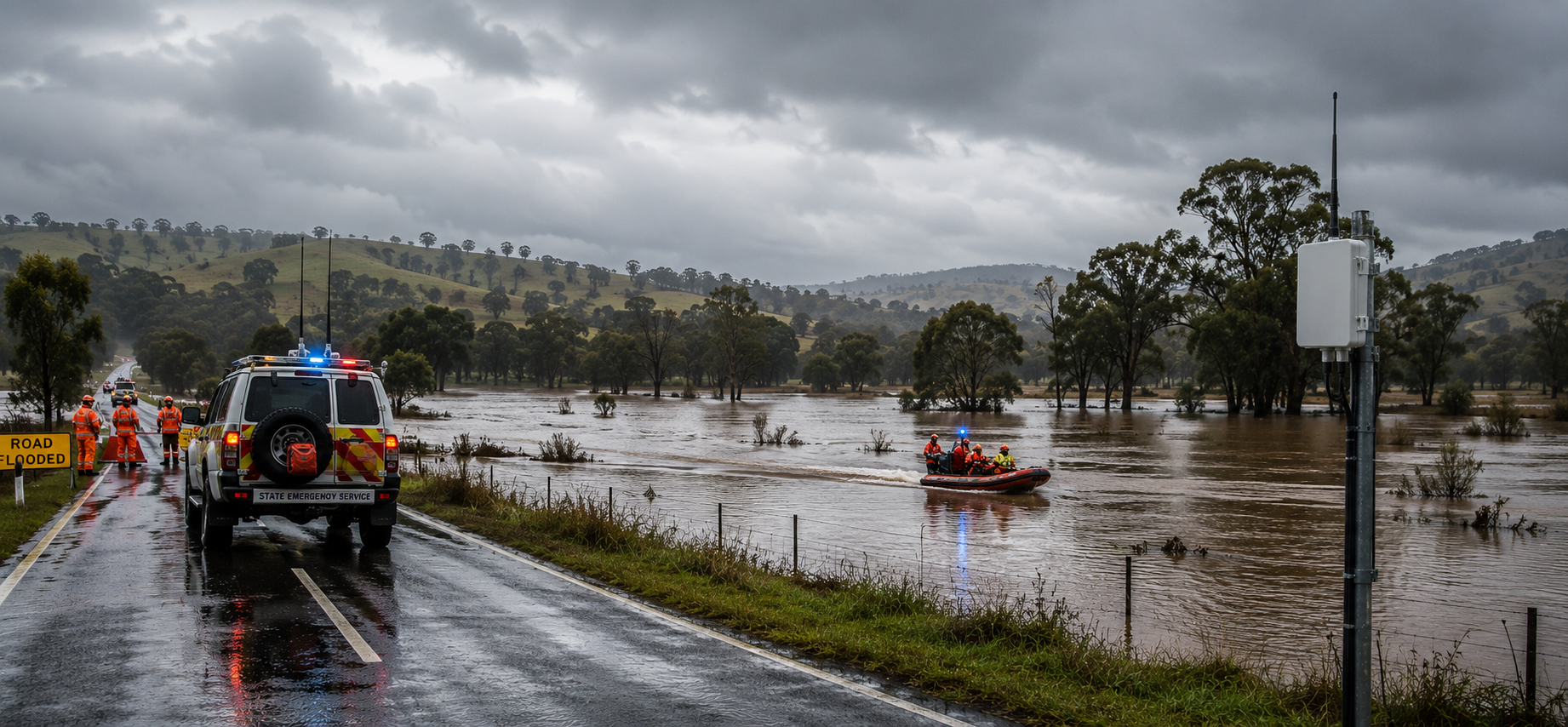
Enable resilient, real-time connectivity in any environment
Designed for emergency and first responder applications, flood monitoring supports improved disaster preparedness and response through connected, adaptive communication networks. Onemesh transforms vehicles and devices into intelligent network nodes, creating self-forming systems that operate reliably in remote and dynamic environments.
This enables continuous, real-time data exchange for critical operations, helping teams stay connected, informed, and responsive when it matters most.
Environmental Monitoring
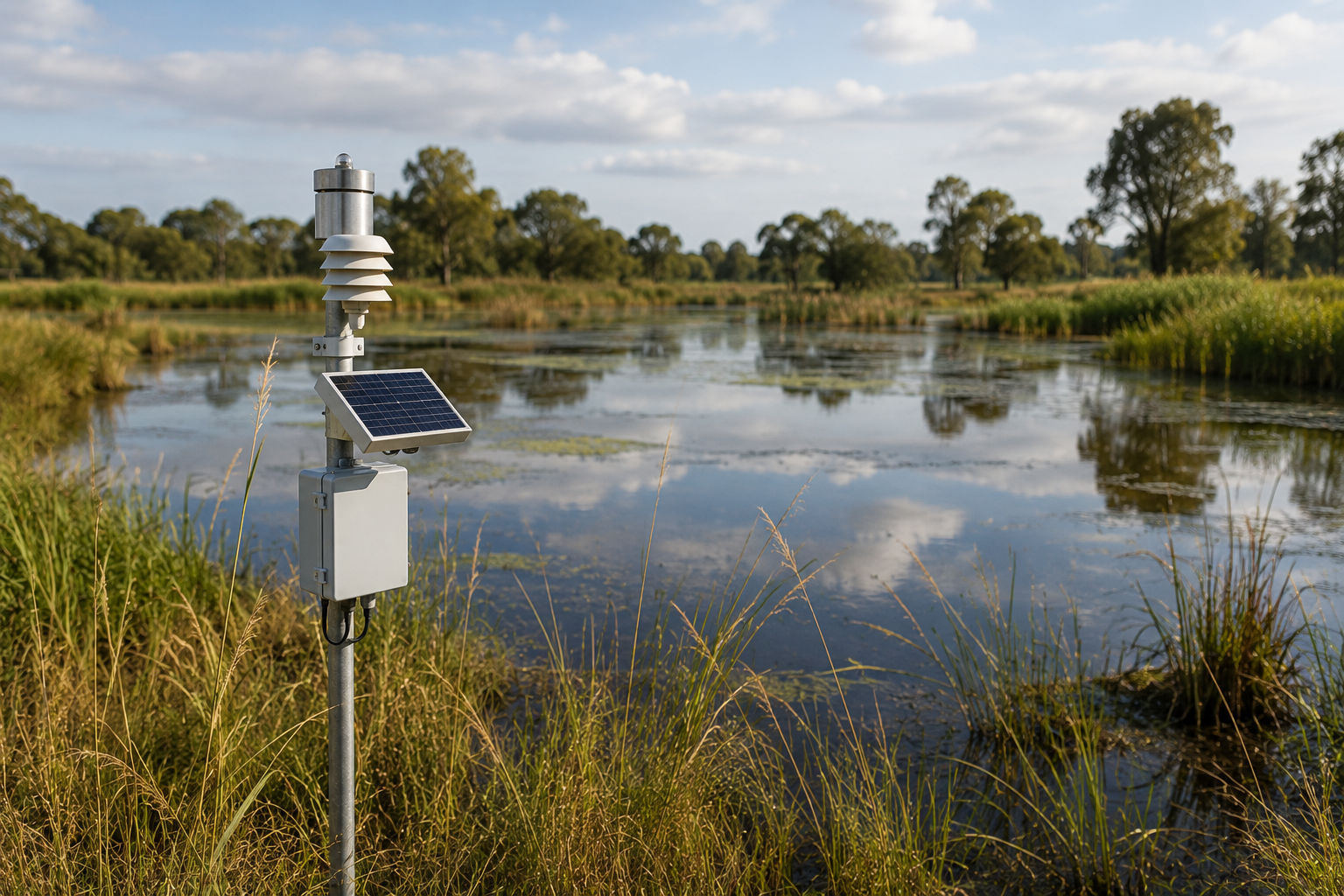
365mesh delivers real-time visibility into rainfall, flood levels, soil moisture, and micro-climate conditions, providing a complete view of environmental factors. This supports early response to changing conditions, helps manage natural disaster risks, protects infrastructure, and enables more efficient resource planning.
Soil Moisture Monitoring
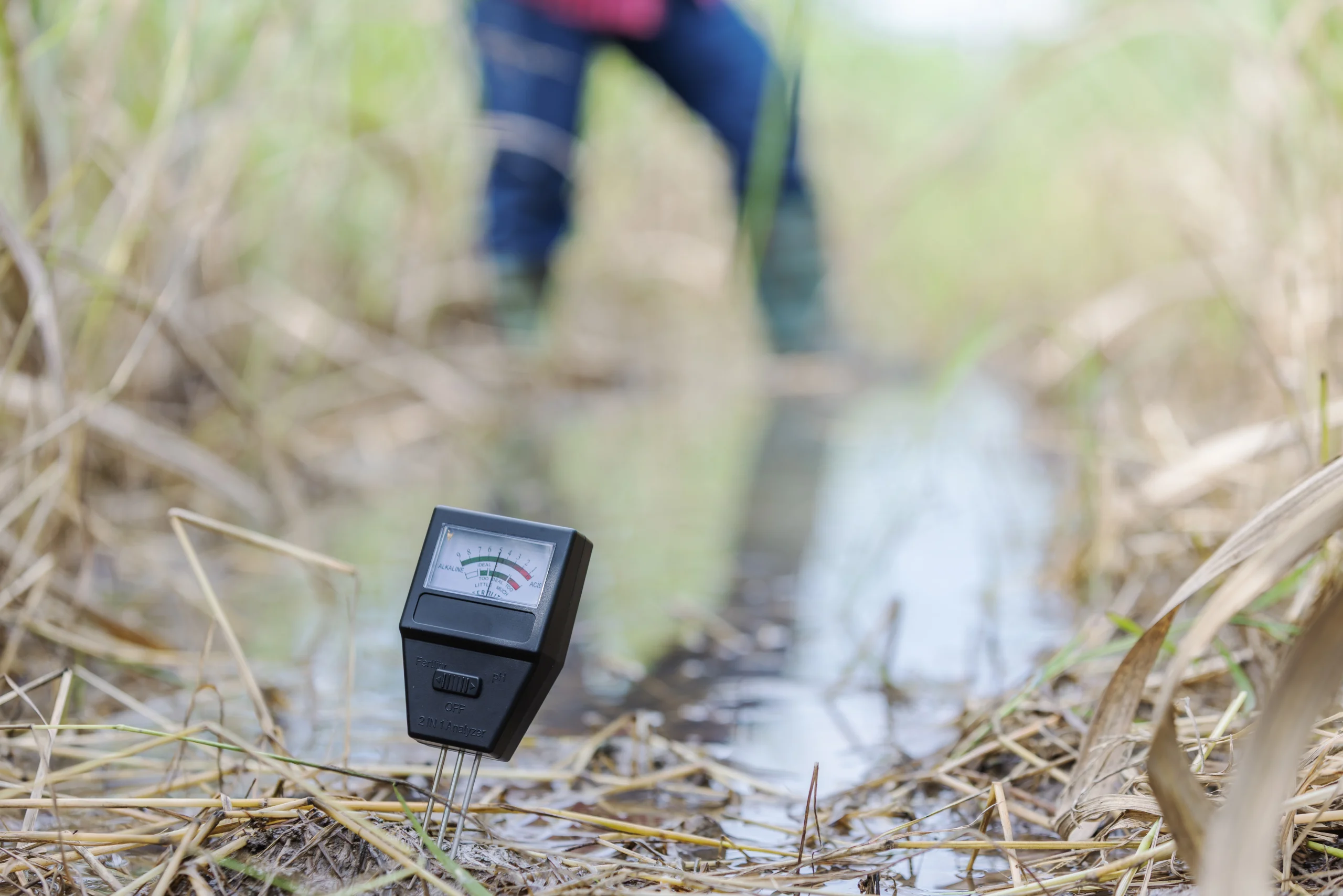
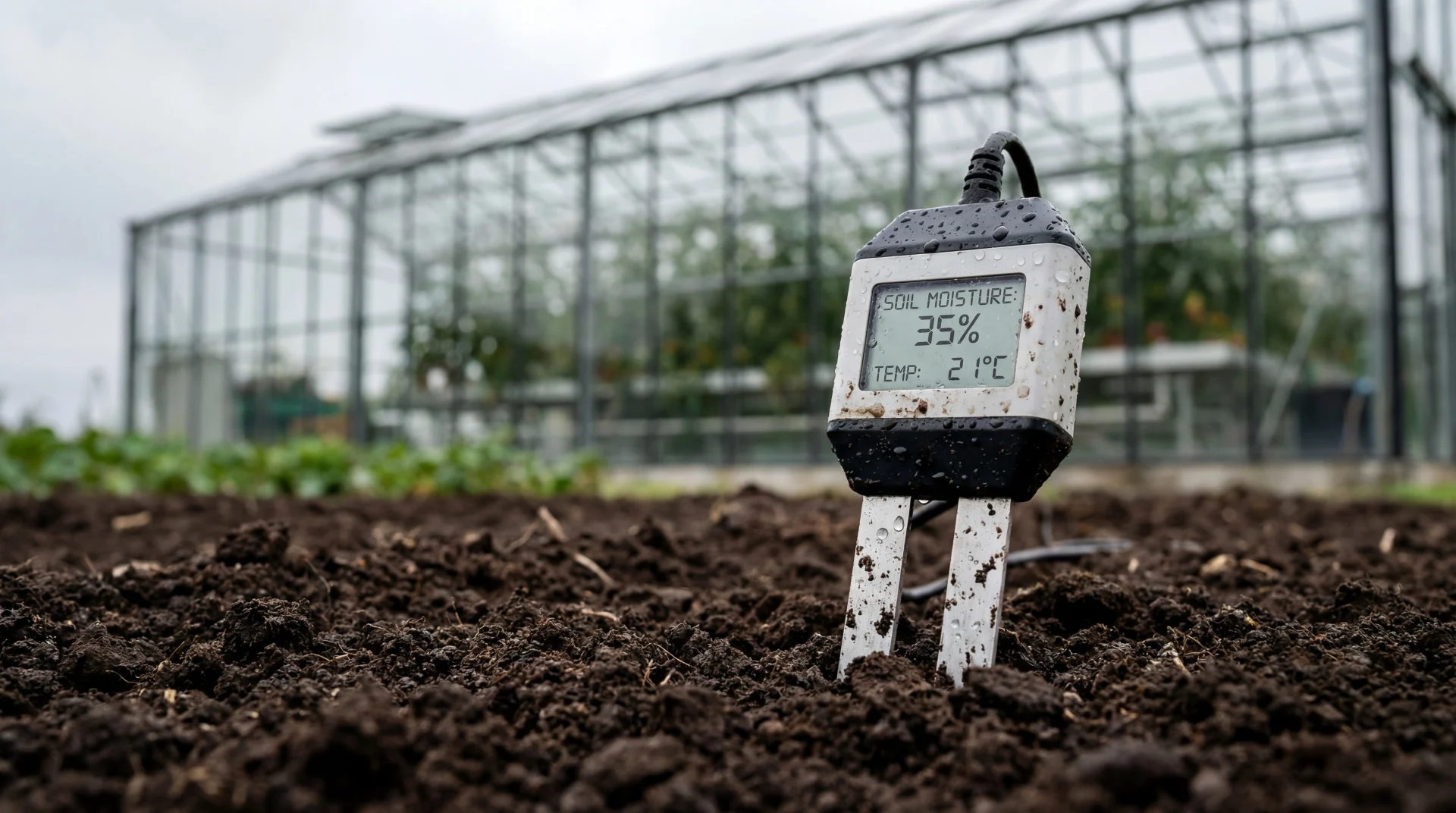
Irrigation is one of the largest drivers of water use, yet many systems still rely on fixed schedules or manual estimation. Soil moisture monitoring enables a more accurate approach by using real-time data to guide irrigation decisions based on actual ground conditions.
Smarter irrigation with real-time data
Access live data from the field without manual checks, allowing soil moisture, salinity, and temperature to be continuously monitored. This supports more precise irrigation, reducing water waste, improving crop health, and enabling more efficient resource management.
Flow Monitoring (Leak Detection)
Smarter flow monitoring
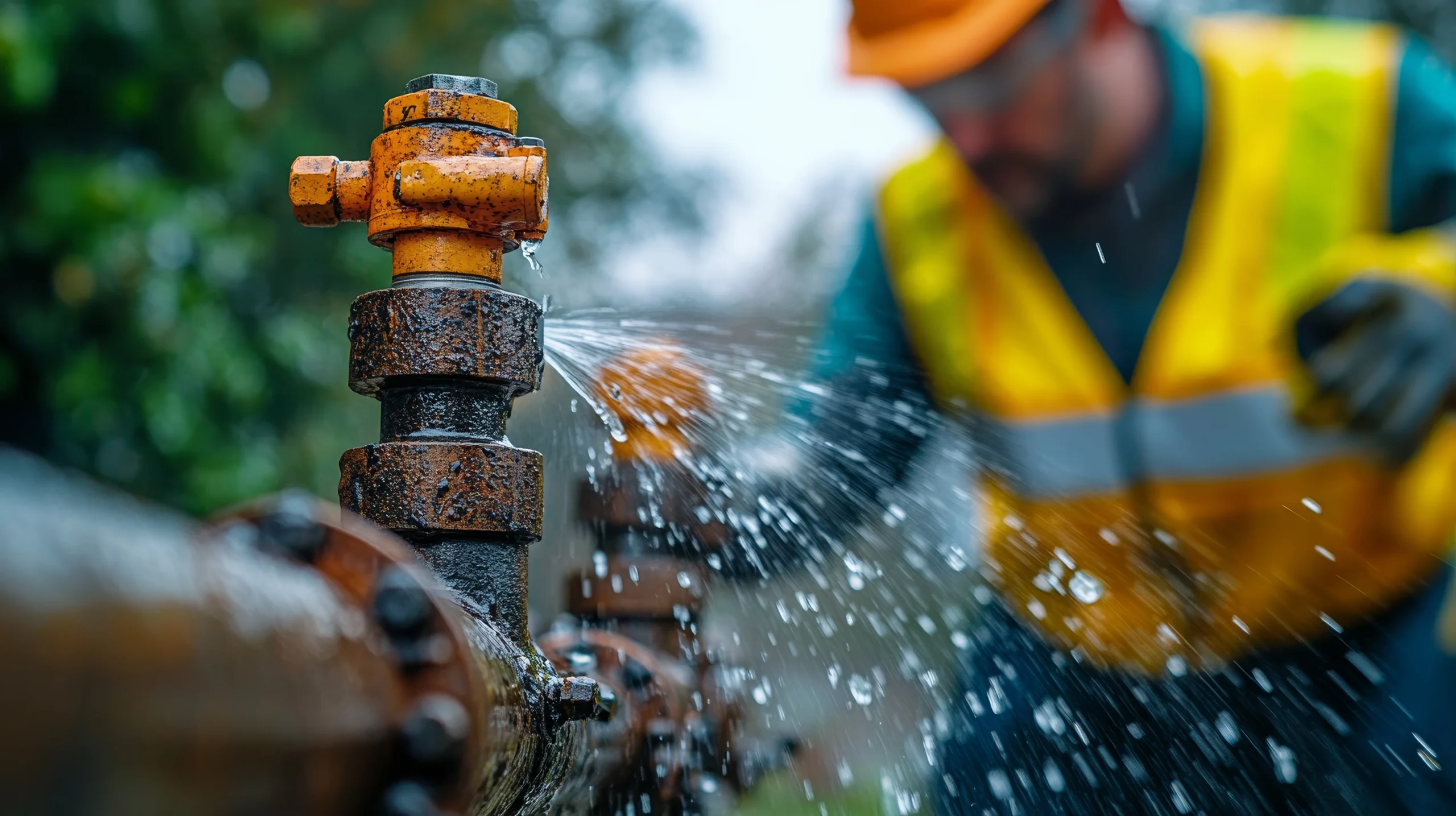
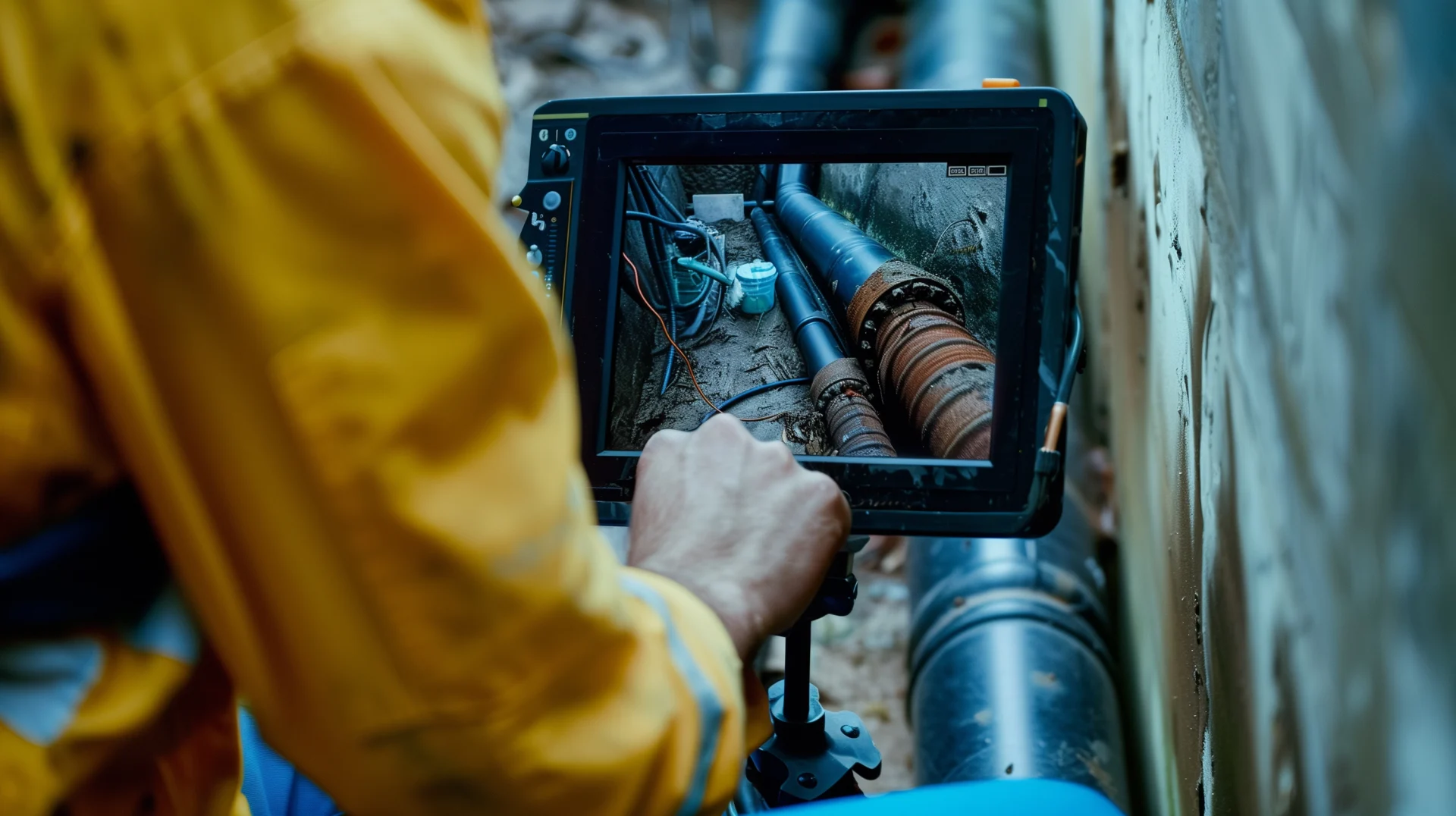
Flow monitoring provides continuous insight into how water moves through pipes, channels, and sewer systems, helping identify leaks, reduce overflows, and manage network capacity without invasive installation or complex setup.
Access to real-time flow data enables faster response to changing conditions, whether tracking usage, identifying inefficiencies, or managing environmental impact. By removing guesswork, operators can make more informed decisions and respond proactively to potential issues.
How flow monitoring supports network management
Flow monitoring delivers real-time data across stormwater, wastewater, and supply networks, helping identify leaks, detect blockages, track consumption, and manage capacity during peak events. When combined with level or pressure sensors, it provides a more complete view of network conditions, enabling faster decision-making and reducing the need for manual site inspections.
Septic Tank Monitoring
Why utilities use septic tank monitoring
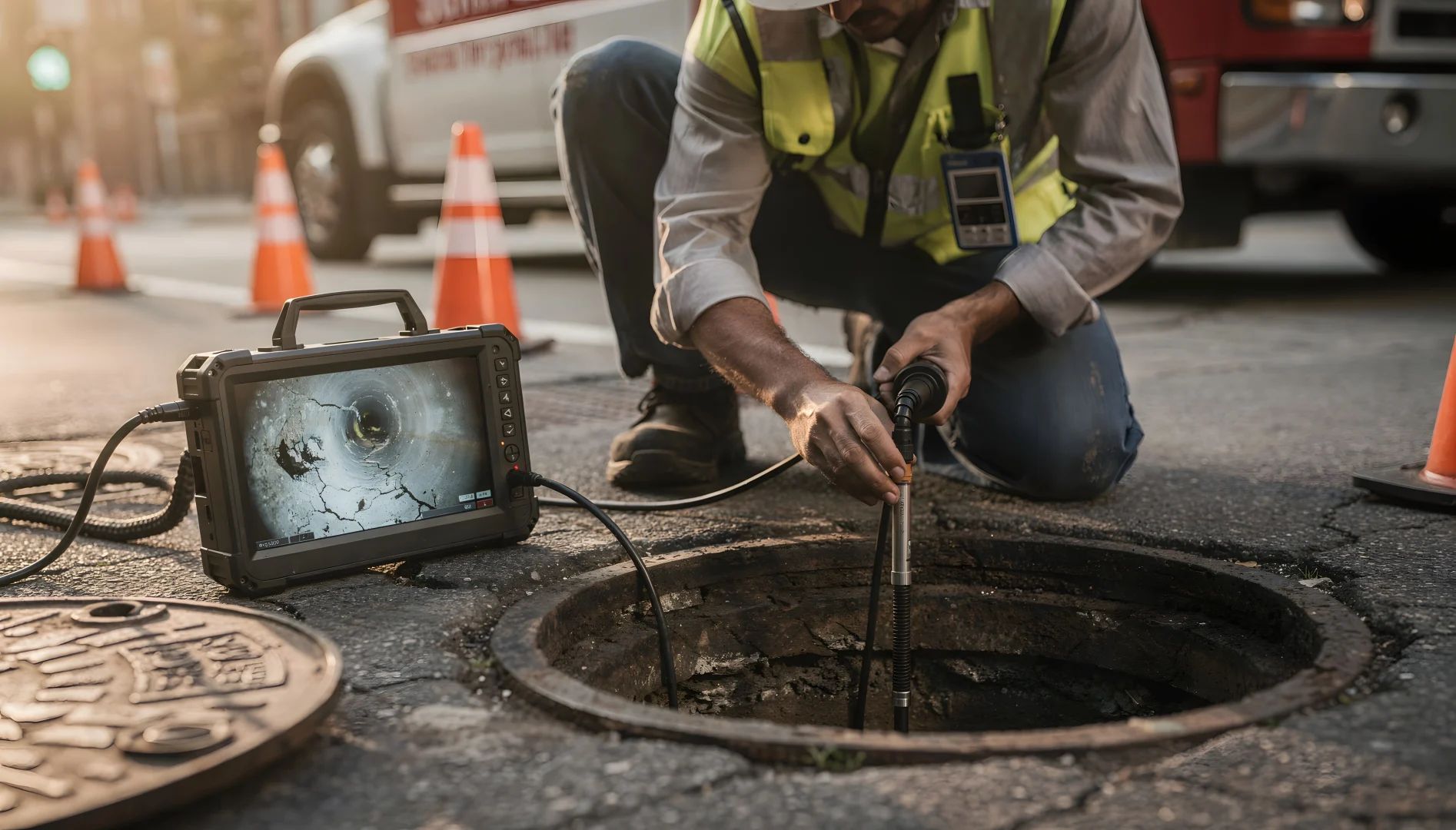
Access to accurate, live data removes the need for manual checks, enabling proactive servicing based on actual conditions rather than fixed schedules or guesswork.
As networks expand and compliance requirements increase, modern monitoring solutions support more efficient and scalable septic management by enabling:
- Real-time alerts before tanks reach overflow levels
- Automated maintenance scheduling based on actual usage
- Reduced labour, fuel, and callout costs
- Fast installation with minimal site disruption
- Scalable deployment across rural and remote locations
Commercial Water Metering
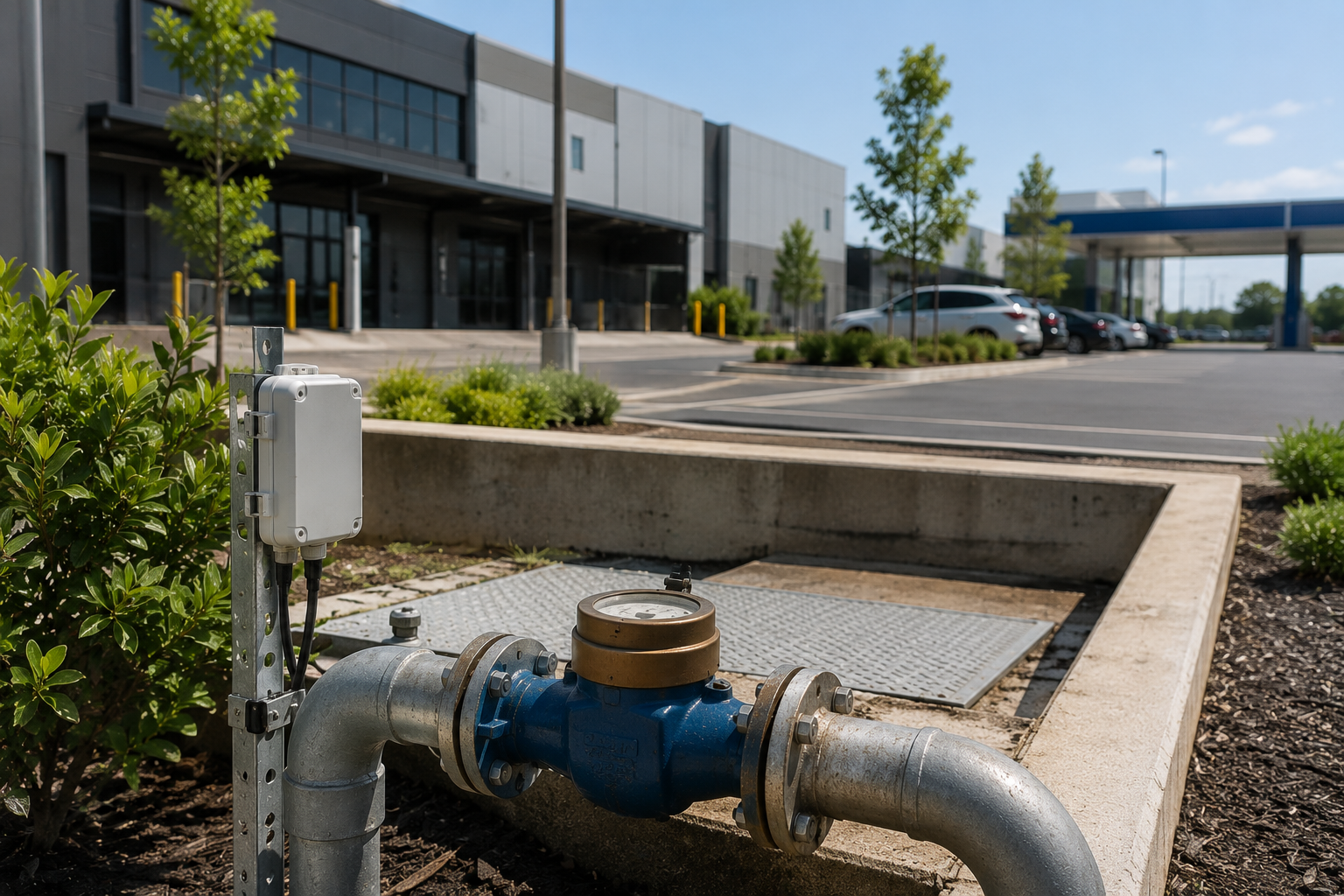
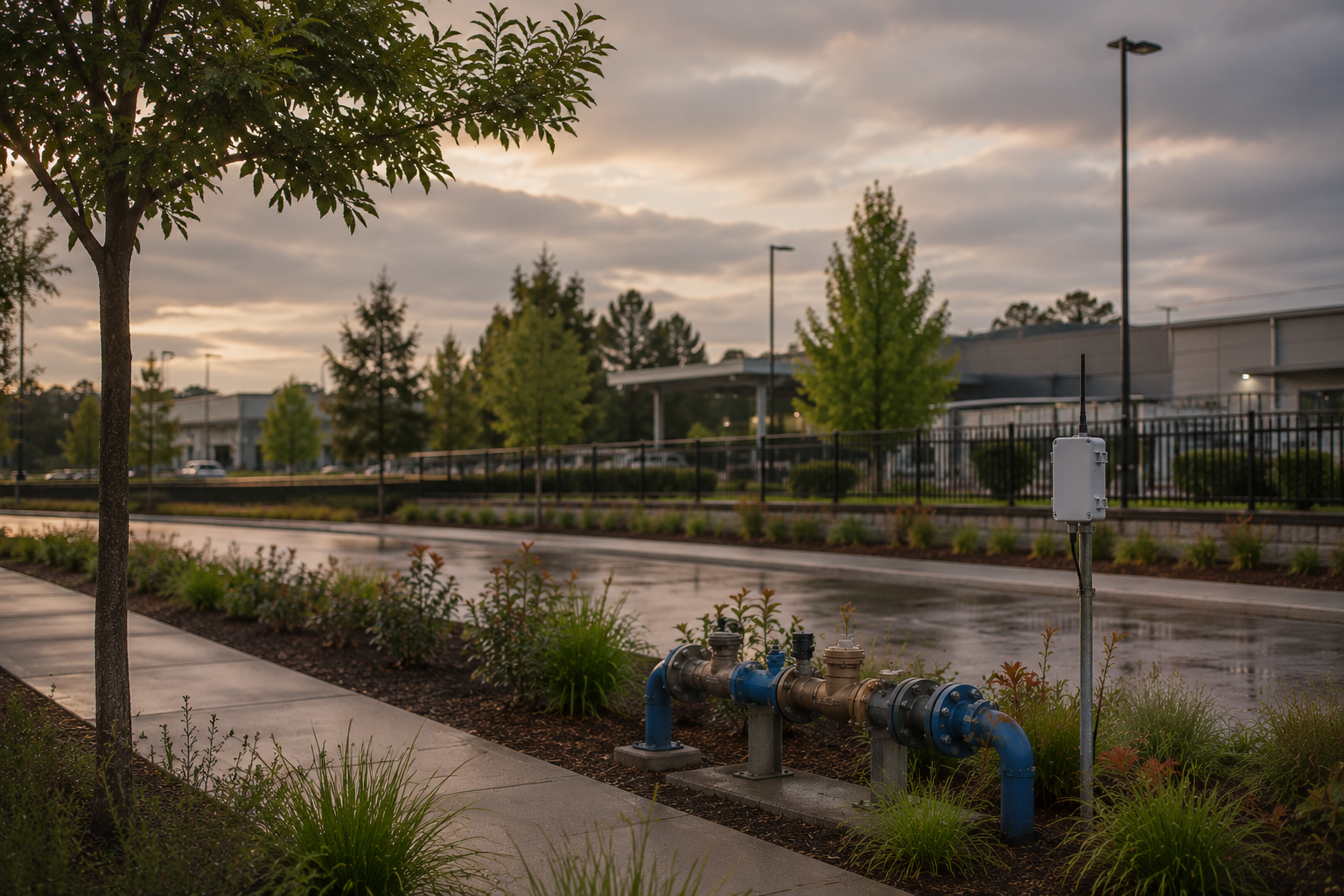
Commercial sites often face high water costs, hidden losses, and limited visibility of usage. 365mesh smart water metering provides accurate, real-time consumption data, enabling utilities, councils, and property teams to monitor usage patterns and detect anomalies early.
By improving visibility across multiple sites, it supports faster leak detection, reduces non-revenue water, and enhances billing accuracy. With remote access and minimal disruption to existing infrastructure, this enables more efficient water management and informed decision-making to reduce costs and improve overall performance.
take 365mesh into your hands
Partner with us
Through the partner program, 365mesh allows its program partners the opportunity to provide their own customer base with the latest IoT technology and gives them access to the highest level of expertise within the tech industry.
White Label
As a cloud-based IoT provider, 365mesh technology is strategically designed to be used as a white labelled solution that meets numerous industry needs and fulfils multiple use cases. 365mesh integrates with numerous data sources and sensors, allowing your customers to gain a deeper understanding into industry needs.